Art Therapy
What Is Art Therapy?
In art therapy, art is used as a language, a regulating activity, and a relational bridge.
The approach
What Is Art Therapy?
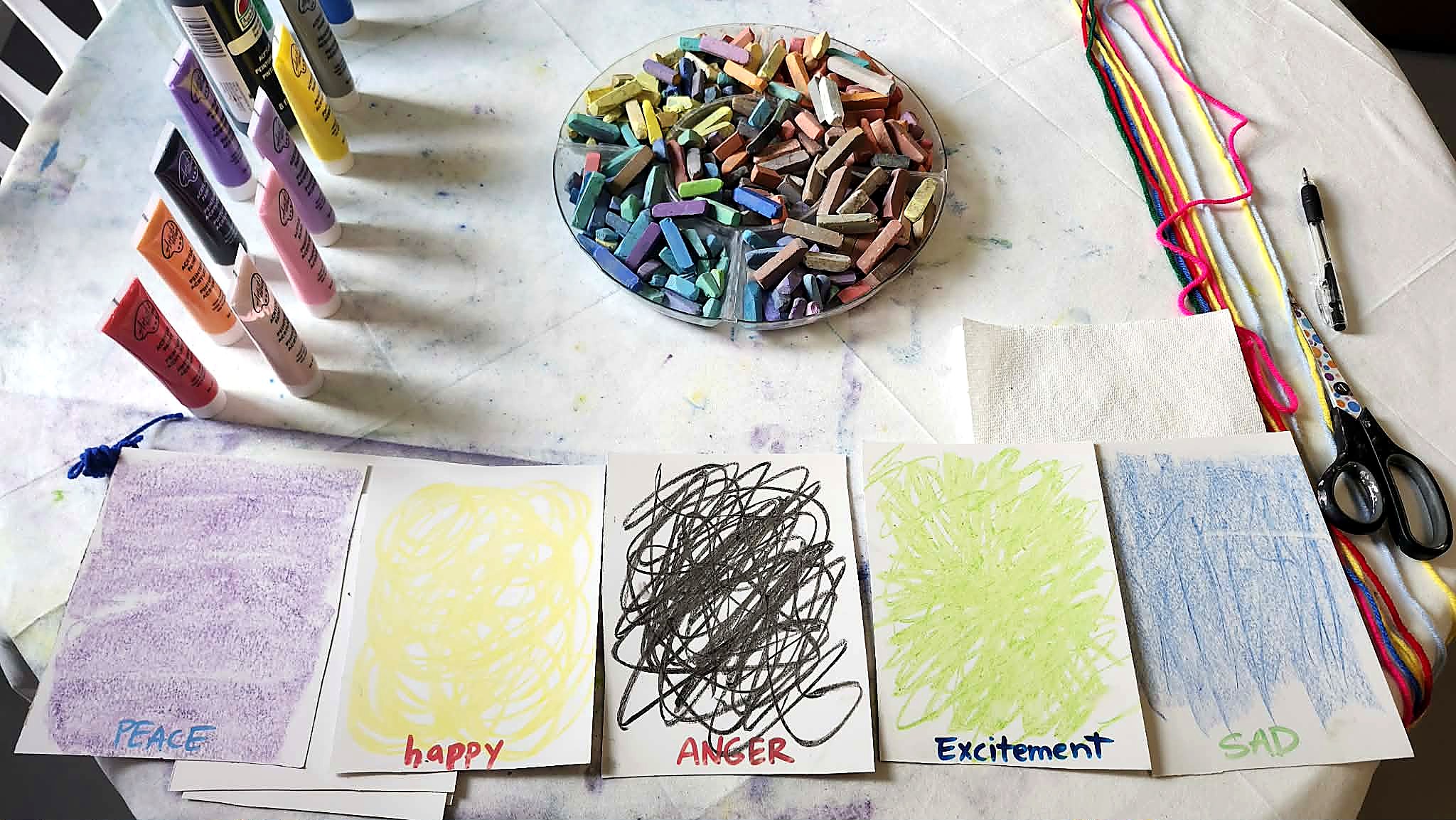
Art therapy combines psychotherapy and the creative process to explore emotions, experiences, and challenges. Art can serve as a language for communication, a regulating activity, and a bridge for connection. Through artmaking and conversation, it can support emotional expression, self-understanding, and new ways of relating to ourselves and others.
Art therapy can address the full spectrum of human experience, from internal psychological struggles to relational, social, and community challenges.
The practitioner
What Is an Art Therapist?
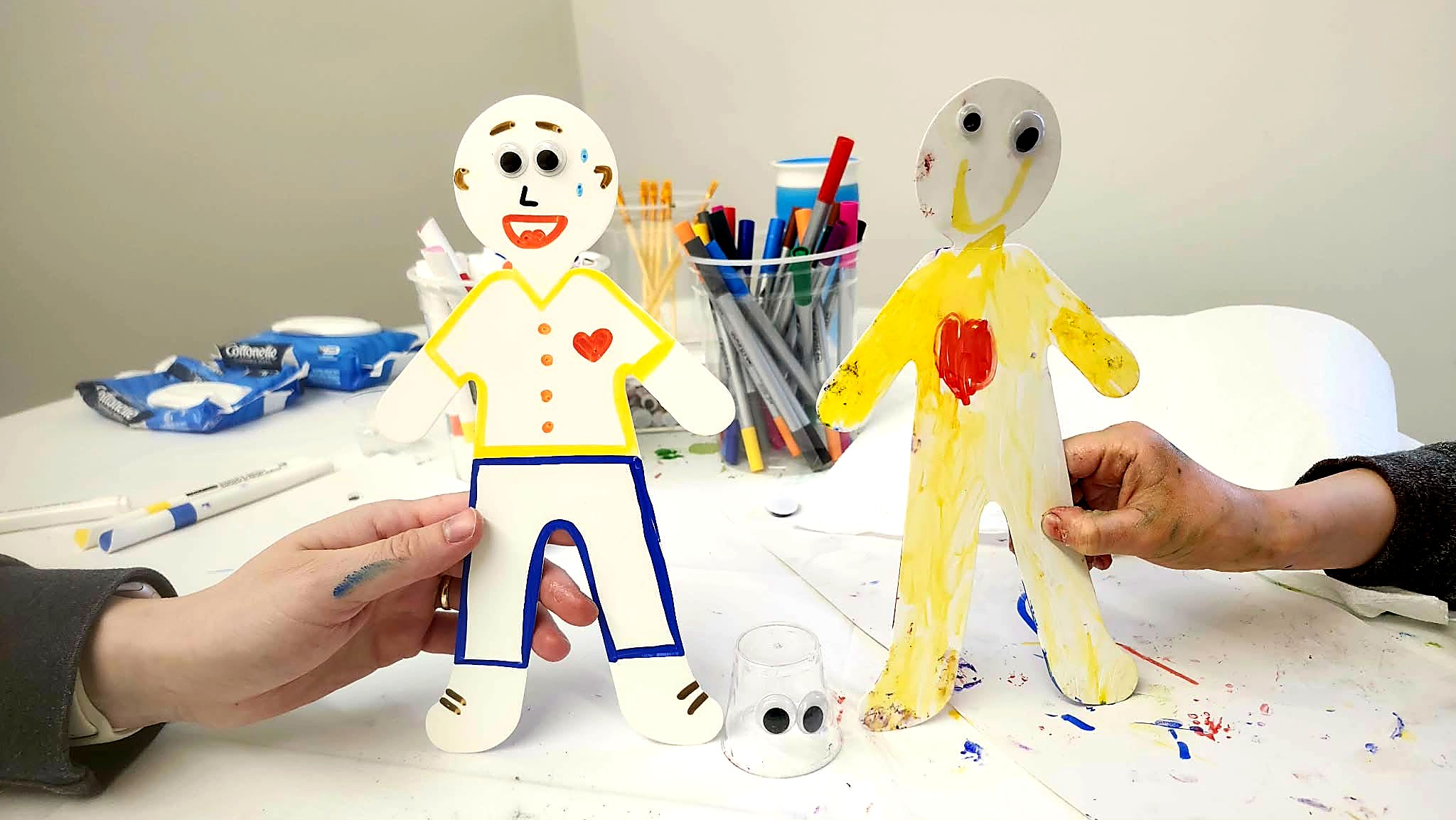
An art therapist is a trained mental health professional with education in both psychotherapy and the creative process. We integrate artmaking and conversation to support emotional, psychological, and social well-being.
Working collaboratively, we help clients explore emotions, experiences, and patterns, develop new perspectives, and work toward meaningful goals. With the guidance of a trained professional, this process can help people move from surviving to thriving.
Who it helps
Art therapy is a helpful approach for people navigating:
- Difficult life experiences or personal challenges
- Anxiety, stress, or depression
- Emotional regulation and impulse control
- Trauma, grief, or loss
- Social isolation or peer challenges
- Family transitions or conflict
- Low self-esteem or identity exploration
- A desire to explore and better understand themselves
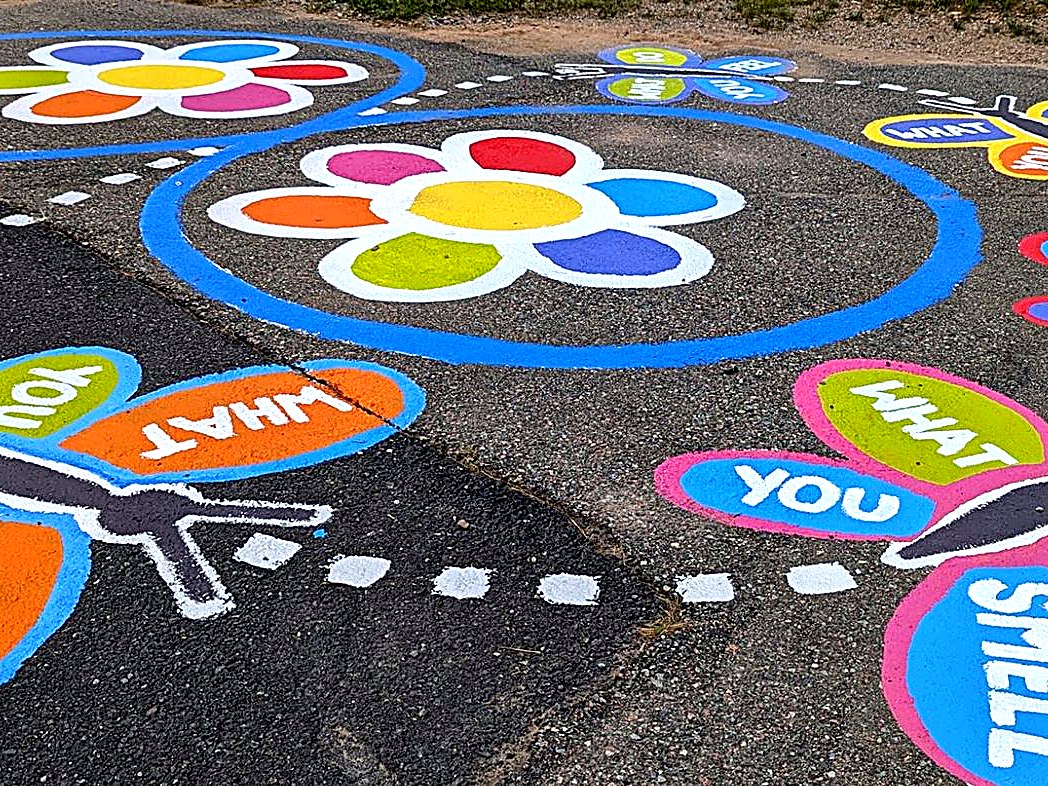
Through the creative process, individuals are met with empathy, acceptance, and unconditional positive regard—offering a safe space to express, release, reflect, and grow.
What it can do
Positive Impacts of Art Therapy
Thirteen ways the creative process supports emotional, social, and personal well-being.
- Express emotions, thoughts, memories, dreams, and fantasies
- Explore identity and develop a sense of meaning and purpose
- Be seen, heard, accepted, and understood in a supportive space
- Make order out of chaos through the creative process
- Process grief and loss in a safe, compassionate environment
- Express difficult emotions that may feel unsafe to speak aloud
- Strengthen emotional resilience and coping strategies
- Expand the ability to move through a wide range of emotions
- Build social connection and a sense of belonging
- Reconnect with culture, story, and community
- Make choices and practise personal agency
- Gain confidence through creative risk-taking and skill-building
- Relax, have fun, and experience the joy of creating
Ways to work with me
Services & FeesIndividual Art Therapy
Individual sessions using art-making and reflection to support emotional exploration, insight, and healing.
Learn moreParent–Child Art Therapy
Strengthening parent–child relationships through a collaborative creative approach.
Learn moreGroup Art Therapy
A creative, supportive space to explore emotions, strengthen connection, and develop self-expression through art.
Learn more